
Vitality Starts in the Pantry: The Case for Eating Closer to the Source
10 July 2026 · By Vita Mauritius
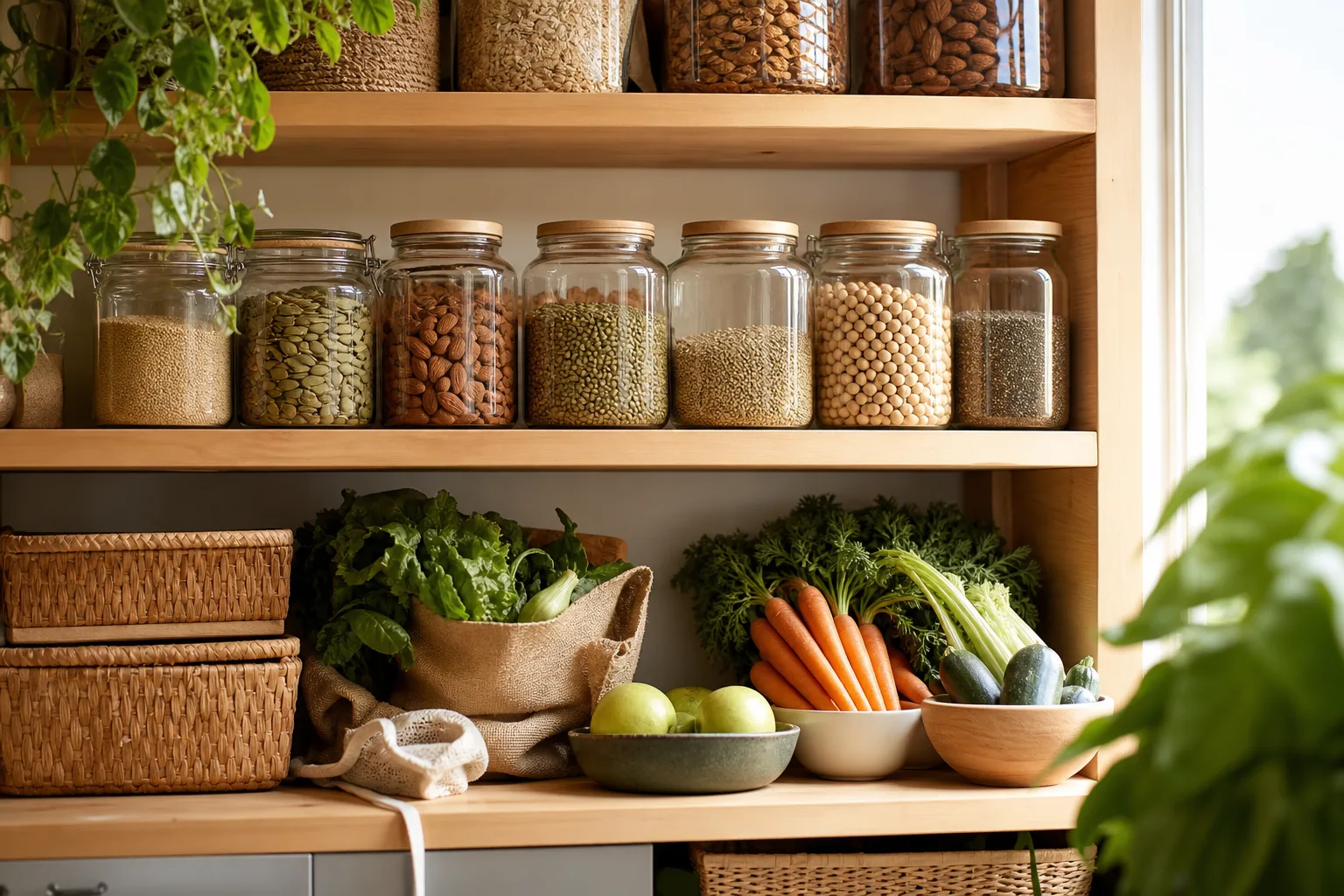
Open your kitchen cupboard and you can read your energy for the month ahead. Not perfectly, and not on its own, but the food we keep within reach shapes what we eat far more than willpower ever does. When the pantry is stocked with foods close to their original form, eating well becomes the easy option instead of a daily negotiation.
That is the whole argument in one line: vitality is less about heroic discipline and more about what is waiting for you at home.
What "closer to the source" actually means
Picture a line running from a tomato in the ground to a cheese-flavoured snack in a foil packet. Every step along that line adds processing. Some of it is helpful and always has been. Bread, yoghurt, and pickled vegetables are all processed foods, and people have thrived on them for centuries.
The concern sits at the far end of the line, with what researchers call ultra-processed food: products assembled largely from refined starches, industrial oils, added sugars, flavourings, and additives, designed to be convenient, long-lasting, and very easy to keep eating. Research suggests that diets dominated by these products are associated with poorer health outcomes over time, and people commonly report feeling flatter, hungrier sooner, and less satisfied when packets crowd out plates.
Eating closer to the source simply means shifting the balance. Nothing is banned. Whole and minimally processed foods, vegetables, fruit, legumes, whole grains, fish, eggs, and nuts, just start doing most of the work.
The quiet creep of the ultra-processed load
Almost nobody decides to eat badly. The ultra-processed share of a diet creeps up through small, sensible-seeming choices: a sweetened cereal because mornings are rushed, a soft drink with lunch, biscuits at tea, an instant sauce because dinner needs to happen fast. Each choice is minor. Together they can quietly become half of what you eat.
A useful habit costs nothing. Glance at your basket before you pay and ask how much of it your grandmother would recognise as food. No scoring, no guilt. If most of what you are buying is ingredients rather than products, you are already eating closer to the source than most people manage.
What certified organic adds
Once the basics are in place, the organic question becomes worth asking. Certified organic food is grown under rules that restrict synthetic pesticides and fertilisers and exclude genetically modified organisms. In practical terms, that means fewer synthetic residues making their way to your plate, and farming methods that tend to be gentler on soil and water.
It is worth being honest about what organic does not do. It does not turn a biscuit into a health food, and a conventionally grown carrot remains a far better choice than an organic pastry. Whole first, organic second is a fair rule of thumb. For a deeper look at what certification covers and where it matters most, this plain-language case for why organic is worth considering is a good place to start.
If budget or availability forces choices, prioritise organic for the foods you eat daily and eat whole: leafy greens, fruit eaten with the skin on, and the staples that anchor most of your meals. That captures much of the benefit without demanding an overnight overhaul.
Food first, supplements second
If whole foods are so effective, where do supplements fit? The honest answer is after food, not instead of it. A vegetable delivers its vitamins alongside fibre, water, and hundreds of plant compounds that appear to work together. An isolated capsule cannot fully copy that context, which is one reason nutrition researchers keep returning to food-first advice.
That said, there are situations where a supplement genuinely earns its place. People who get limited sun exposure may run low on vitamin D. Those eating little or no animal food need a reliable source of vitamin B12. Pregnancy, older age, restrictive diets, and shortfalls identified by a blood test are all classic cases where targeted supplementation makes sense. The key word is targeted: chosen for a reason, not collected out of vague anxiety.
Quality matters too. If you do supplement, buy from suppliers who can tell you where their ingredients come from, such as a carefully sourced range of supplements rather than whatever happens to be nearest the till. And one short note that matters: this article is general information, not medical advice. If you are considering supplements, especially alongside medication or an existing condition, talk to your doctor or pharmacist first.
Building a vitality pantry
A pantry built for vitality is not exotic. It is a shelf of honest staples that make a good meal possible on an ordinary Tuesday night:
- Whole grains and legumes: brown rice, oats, dholl, lentils, and beans, the backbone of countless Mauritian meals
- Tins with one main ingredient: fish, tomatoes, chickpeas, coconut milk
- Nuts, seeds, and good oils for flavour, satiety, and healthy fats
- Spices, garlic, ginger, and fresh herbs, because food you enjoy is food you repeat
- Frozen vegetables and fruit, usually frozen soon after harvest, so they keep well and waste less
- Honest snacks within easy reach: fresh fruit, plain yoghurt, a little dark chocolate
Notice what this list does: it removes the excuse. When these things are at home, the fast meal and the nourishing meal can be the same meal.
The Mauritius advantage
Mauritius makes eating closer to the source easier than many places. Markets still sell vegetables picked that week. Fish comes off boats, not only out of freezers. Tropical fruit grows in gardens, and legumes and greens, from dholl to bredes, sit at the heart of a traditional cuisine that was source-close long before anyone needed a phrase for it.
At the same time, supermarket shelves here carry the same imported ultra-processed products found everywhere else, and they are often the loudest items in the aisle. The local food environment is shifting in encouraging ways, though. Naturespan, a new certified organic grocery destination for Mauritius, opens stores in Grand Baie and Tamarin from September 1 2026, and its food truck is already on the road. It is one more sign that demand for food with a short, transparent journey is growing on the island.
Start where you stand
Nobody rebuilds their diet in a weekend, and nobody needs to. Pick one shelf and upgrade it. Swap one packet snack for fruit or nuts. Cook one extra source-close meal each week and let the habit compound, which is exactly how vitality works.
The pantry is where those decisions get made in advance, quietly, on your behalf. Stock it with food that is close to the source, and every rushed evening, every tired morning, every ordinary day starts a little closer to vital.
Everyday vitality is the foundation of a longer, fuller life. Explore the wider Healthspan health ecosystem.
